Protect Your Home from Fire & Water Damage with Advanced Early Detection Systems
Explore Our Innovative Fire and Water Damage Prevention Solutions
Discover Reliable Fire & Water Protection for Your Home Today
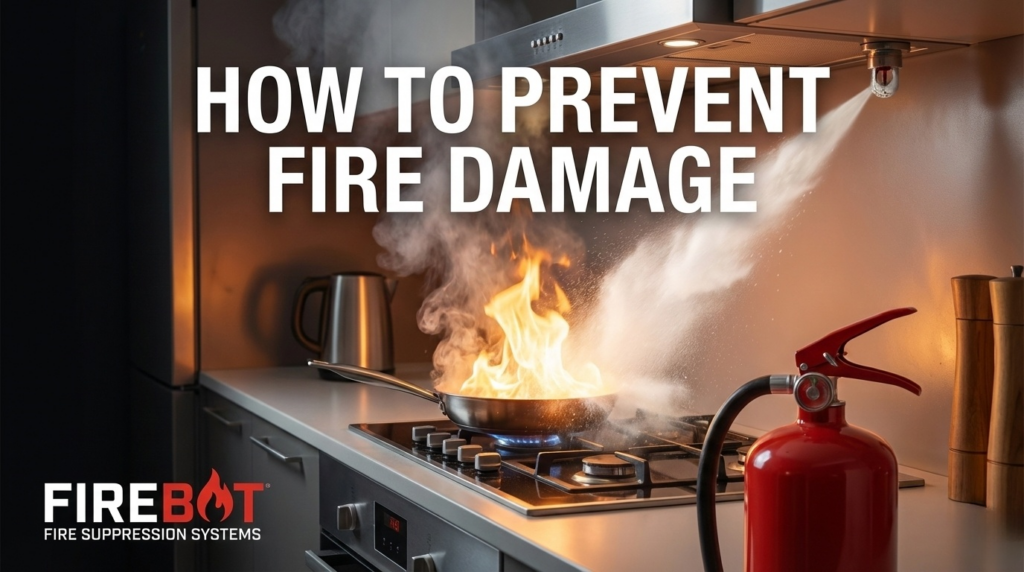
Fire damage is one of the most devastating incidents a home or business can face. Unlike other disasters, fire spreads rapidly, destroys property, threatens lives, and leaves long-lasting emotional and financial stress. Many fire incidents are preventable with awareness, planning, and the right safety measures. In this guide, we’ll walk through practical and easy-to-apply steps that help you protect your property and loved ones. Whether you own a house, rent an apartment, or run a workplace, fire prevention should be a daily priority—not an afterthought.
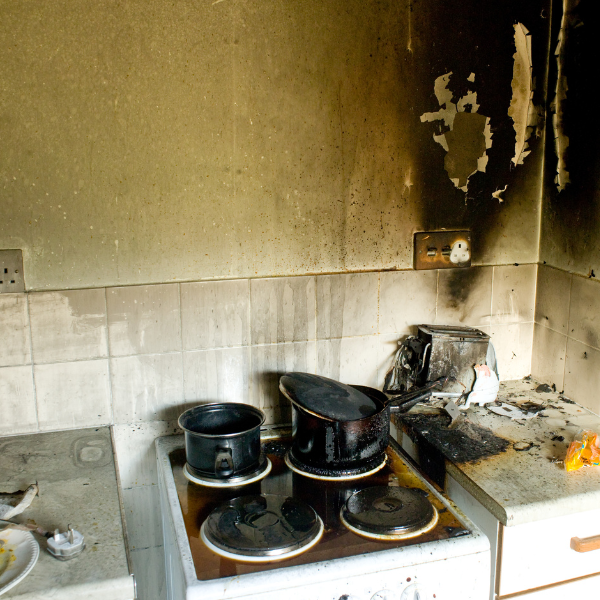
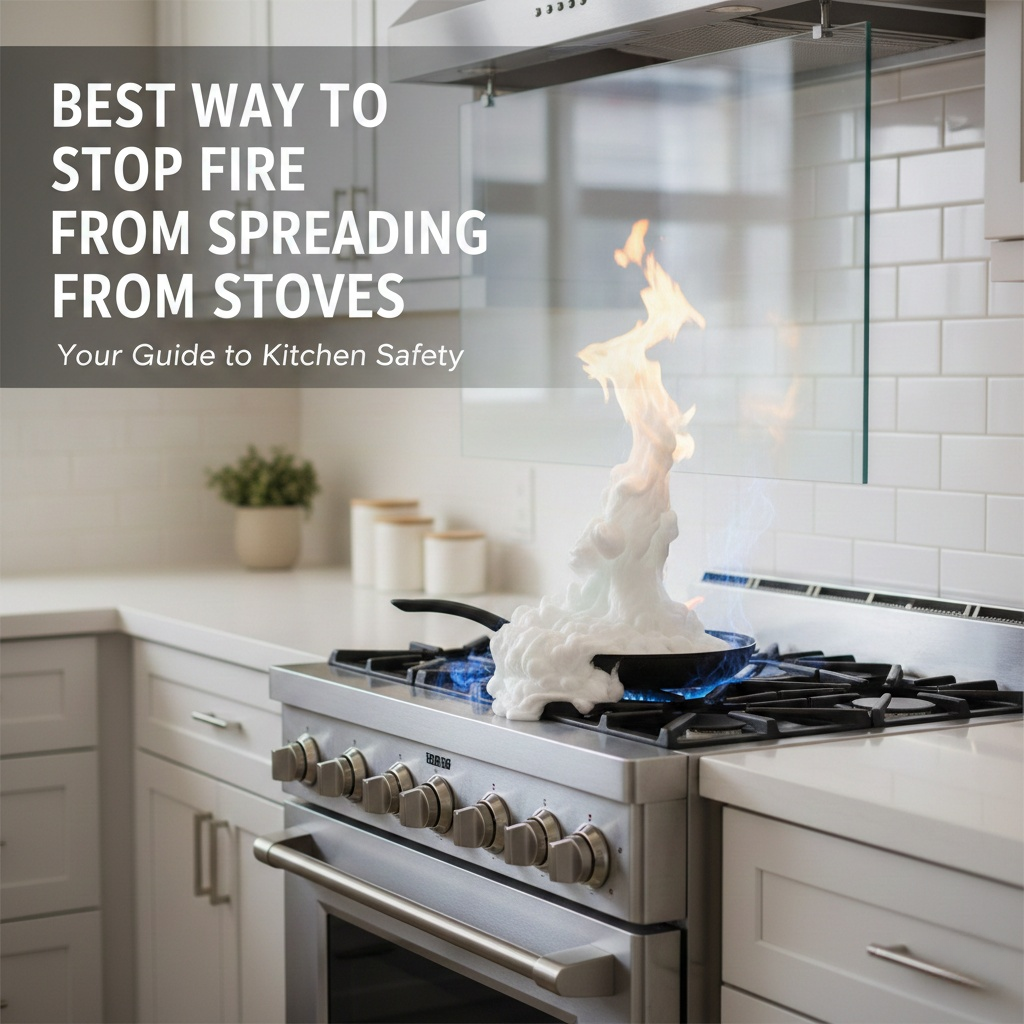
Stovetop fires cause nearly half of all home fire incidents, and most of them start from oil, grease, or overheating while cooking. These fires spread fast and are extremely difficult to control, often leading to major damage before help arrives. This is why having an automatic suppression device in the kitchen is no longer a luxury—it’s a necessity. FireBot Stovetop Fire Suppression was created to solve this exact problem by stopping fires right where they start, giving homeowners a powerful safety shield 24/7.
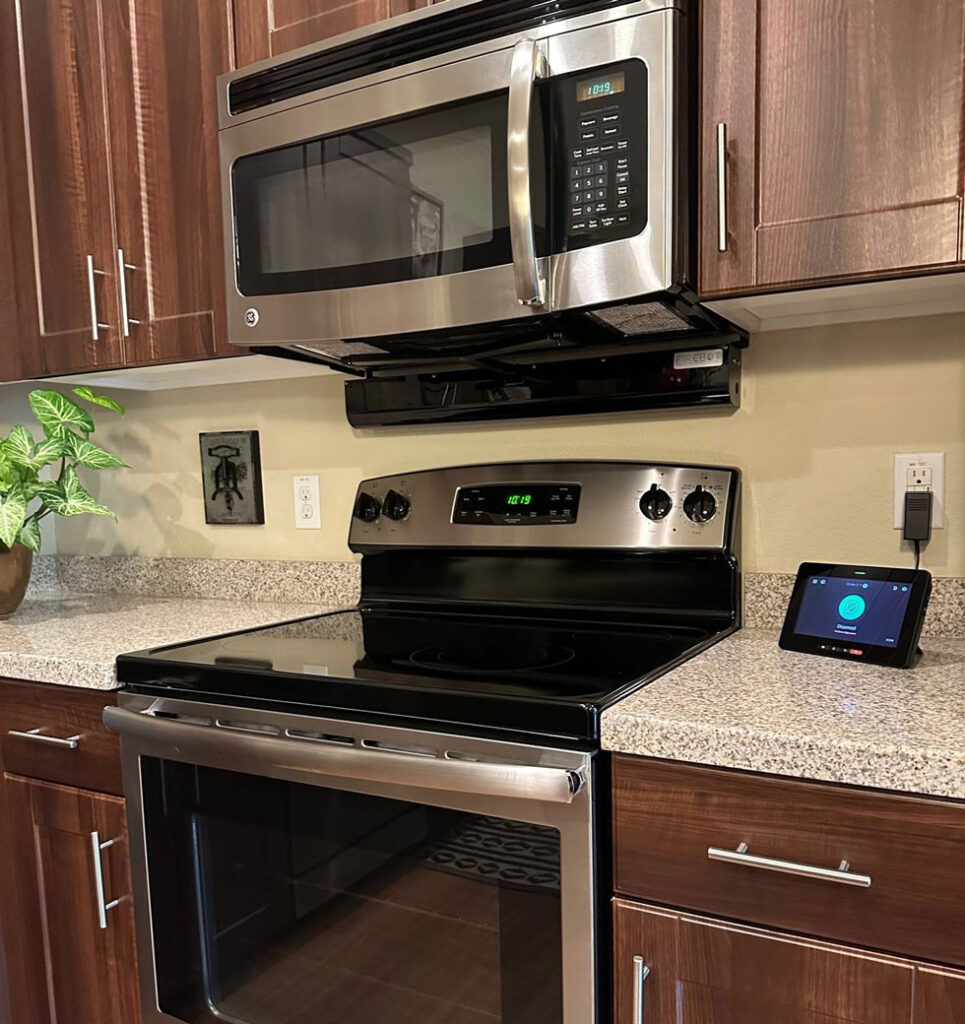
The patented FireBot device (also known as FireBot Fire Suppression / FireBot Stovetop Fire Suppression system) constantly monitors your stovetop and activates automatically when it detects an out-of-control flame. It releases a small amount of non-toxic, biodegradable liquid suppressant, safely putting out even the toughest oil and grease fires—without harmful gases, powder mess, or water damage. Installation is quick and simple, and once activated, cleanup is easy using any household cleaner. With a 10-year service life and no maintenance needed for a decade, FireBot helps reduce risk, save lives, and protect your home from devastating fire loss.
Protect your kitchen from the #1 cause of home fires—discover how It works and install safety that acts instantly when you can’t. Learn more here: FireBot Stovetop Fire Suppression.
Safety Solutions You May Need
Smoke alarms and detection systems are the first line of defence against fire. These devices detect smoke early, send alerts, and give you time to react before flames spread. Fire alarms should be placed in hallways, bedrooms, basements, kitchens, and office corridors. They must be tested monthly to ensure they’re working properly. Battery-powered alarms need battery replacement every 6–12 months, while wired alarms should be professionally inspected annually. Smart alarms that send alerts to mobile phones can add extra safety when you’re away. Early detection saves lives and prevents severe property loss
Fire extinguishers help control small fires before they become disasters. Every home should have at least one extinguisher on each floor, especially near the kitchen, garage, and workshop. In offices, extinguishers must be visible, easily accessible, and not blocked by furniture or storage items. All family members and employees should be trained on how to use them using the PASS technique (Pull, Aim, Squeeze, Sweep). Extinguishers also need pressure checks and servicing every year. Remember, they’re for emergency control, not a replacement for evacuation during large fires. Proper placement and training can significantly reduce fire damage impact.
Most fires begin due to electrical issues, overloaded sockets, or damaged wiring. Avoid plugging multiple heavy appliances into one power strip. Check cables for exposed wires, burn marks, or heating issues. Never run cords under carpets or pinch them behind furniture, as trapped heat can cause ignition. Old buildings should undergo full electrical safety inspections every 2–3 years. Use appliances certified by safety authorities, and always unplug them when not in use. If you notice flickering lights, frequent breaker trips, or burning smells, call an electrician immediately. Electrical awareness and maintenance reduce fire risk dramatically.
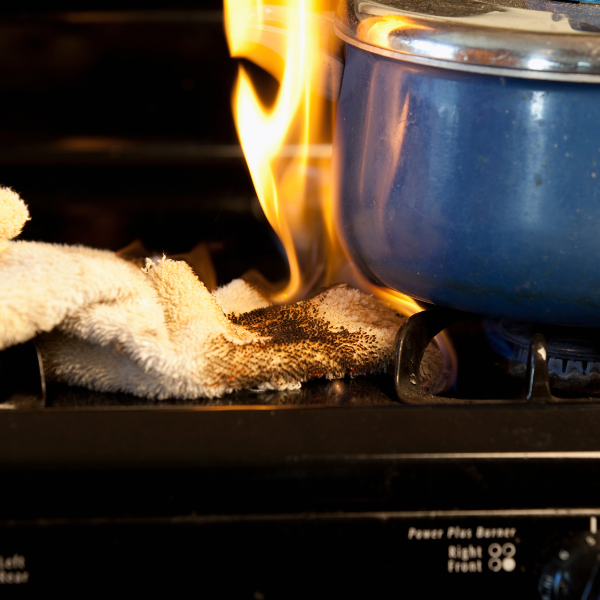
Kitchen fires are among the most common household fire incidents. Never leave stoves, ovens, or fryers unattended while cooking. Keep towels, paper, wooden items, and flammable liquids away from heat sources. Clean grease from exhaust fans, stovetops, and ovens weekly, as grease buildup can easily ignite. Use lids to smother small oil fires—never pour water on them. Ensure your kitchen has a fire extinguisher rated for grease fires (Class K or Class B). Teach children to stay away from cooking zones while the stove is on. Safe cooking habits are simple but extremely effective fire prevention steps
Fireproofing reduces how fast fire spreads across walls, doors, and ceilings. Install fire-resistant doors and windows if you’re building or renovating. Use fire-retardant paints or sprays on wooden furniture, fabrics, and structural materials. Keep important documents in fireproof safes or cabinets. For roofs, avoid dry leaves, flammable decorations, or poorly maintained chimneys. Landscaping around homes should avoid highly flammable plants close to the building. Fire-resistant materials slow fire spread and give more time for emergency response. Fireproofing isn’t about eliminating fire, but minimising its ability to destroy.
Heaters, fireplaces, boilers, and chimneys are essential in winter but can cause fires if neglected. Keep space heaters at least 3 feet away from curtains, bedding, and furniture. Turn them off before sleeping or leaving the room. Fireplaces need spark screens to block flying embers. Chimneys should be cleaned at least once a year to remove soot and debris. Avoid burning trash or unseasoned wood, as it produces excessive sparks and buildup. Portable heaters should never be placed on unstable surfaces. Heating safety prevents seasonal fire incidents that cause massive damage every year.
Flammable materials like gasoline, kerosene, cleaning chemicals, paint thinners, and aerosols should be stored safely. Keep them in cool, ventilated areas away from heat or direct sunlight. Never store fuel inside living spaces or near electrical panels. Use safety-sealed containers that prevent leaks or vapour release. In workplaces, label all hazardous materials and maintain safety data sheets (SDS) for emergency reference. Keep these items out of children’s reach in homes. Improper storage increases fire risk even without visible flames. Safe storage practices are simple but powerful prevention strategies.
A fire escape plan ensures everyone knows what to do when fire breaks out. Draw a floor map and identify two exits for every room. Assign a safe meeting point outside the building. Practice evacuation drills every 3 months in homes and monthly in workplaces. Teach children how to recognise alarm sounds and leave safely. Keep corridors and exits clear at all times. Emergency numbers should be displayed in common areas. A well-practised plan reduces panic, injuries, and delays. Quick evacuation prevents fatalities and reduces the severity of fire damage.
Candles, incense, oil lamps, and open flames add ambience but can be dangerous if ignored. Always place them on stable, non-flammable surfaces. Keep them away from curtains, shelves, and hanging decor. Blow out candles before sleeping or leaving the room. Use flameless LED candles where possible, especially in homes with children or pets. In workplaces, open flames should be strictly prohibited unless part of controlled operations. Decorations around candles should never include paper, cotton, or dry leaves. Small flames can cause huge disasters when left unattended
Sprinkler systems automatically release water when fire is detected, controlling flames in seconds. These are highly recommended for businesses, warehouses, and large homes. Sprinklers reduce fire intensity, property damage, and smoke spread. They operate individually, meaning only the area affected gets sprayed—not the whole building. Sprinklers must be professionally installed and tested every year. Many insurance companies offer premium reductions when sprinklers are present. Though not mandatory for all homes, they are extremely effective for high-risk properties. Automatic response systems save assets faster than humans can react.
Outdoor fire risks often go unnoticed but can spread into homes quickly. Keep lawns clear from dry leaves, paper, or debris. Dispose of cigarettes safely using metal ash bins. Avoid BBQ grills close to walls, plants, or wooden decks. Keep gas cylinders upright and leak-free. Outdoor lighting and wiring should be weatherproof. Fire-prone regions should maintain defensible space around the property. Many wildfires begin outside and spread inward. Outdoor safety awareness protects the perimeter and prevents large-scale fire disasters.
Awareness is the strongest fire prevention tool. Teach family members basic fire safety, alarm recognition, extinguisher use, and evacuation steps. In workplaces, conduct regular safety training sessions and emergency simulations. Display fire safety posters in kitchens, hallways, and meeting rooms. Make sure everyone understands common fire causes and warning signs. Training should be repeated—not a one-time session. Knowledge reduces accidents, increases response speed, and protects property. Fire safety education empowers people to act wisely during emergencies.
Even with prevention, it’s wise to prepare for worst-case scenarios. Keep critical documents in fireproof storage. Create digital backups for photos, business data, IDs, and legal papers using cloud storage. Valuable items should be stored away from high-risk zones. Insurance records should also be digitised for quick claims processing. After a fire, retrieving information becomes difficult if everything is physically stored. Backups help recovery even when physical assets are lost. Preparation ensures continuity after emergencie
Fire risk assessments help identify hazards before accidents happen. Check kitchens, wiring, storage rooms, heating equipment, and alarm functionality. In workplaces, inspections should be formal and documented. For homes, seasonal self-checks work well too. Look for clutter near exits, overheated sockets, gas leaks, or blocked alarms. Fire safety is not static—risks change over time. Regular assessments keep prevention active. Prevention starts with noticing what others ignore
Insurance helps recovery, but prevention protects you from needing it. Many people rely too heavily on insurance instead of safety planning. Fire incidents raise premiums, cause stress, and disrupt lives even when insured. Prevention reduces claims, financial loss, emotional trauma, and business downtime. Safety planning protects more than money—it protects memories, stability, and peace. Treat insurance as a backup, never the primary defence.
Fire prevention is about awareness, preparation, maintenance, and smart habits. Most fires start small—from the kitchen, a spark, or an overloaded socket. The key is catching risks early and acting before disaster strikes. By installing alarms, keeping extinguishers handy, maintaining wiring, handling heaters safely, storing flammable materials correctly, and educating everyone around you, you can reduce fire incidents significantly.