Protect Your Home from Fire & Water Damage with Advanced Early Detection Systems
Explore Our Innovative Fire and Water Damage Prevention Solutions
Discover Reliable Fire & Water Protection for Your Home Today
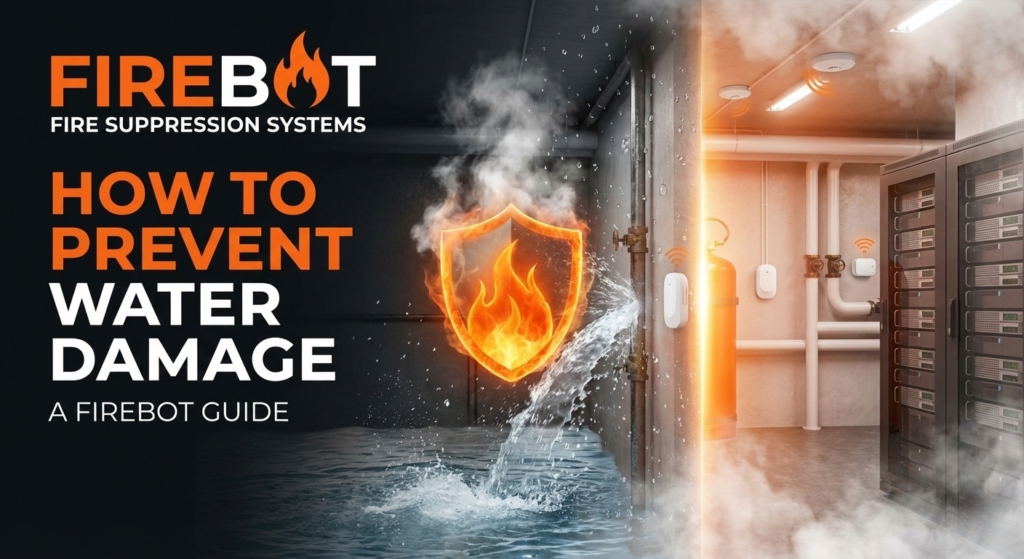
Water damage is one of the most common yet costly issues homeowners face. From leaky roofs and faulty plumbing to overflowing appliances, water can wreak havoc on your property in no time. Not only can it destroy your furniture and walls, but it can also lead to mold growth, structural issues, and health hazards. Understanding how to prevent water damage is essential to protect your home and your wallet. In this guide, we’ll cover practical tips and preventive measures that anyone can implement.
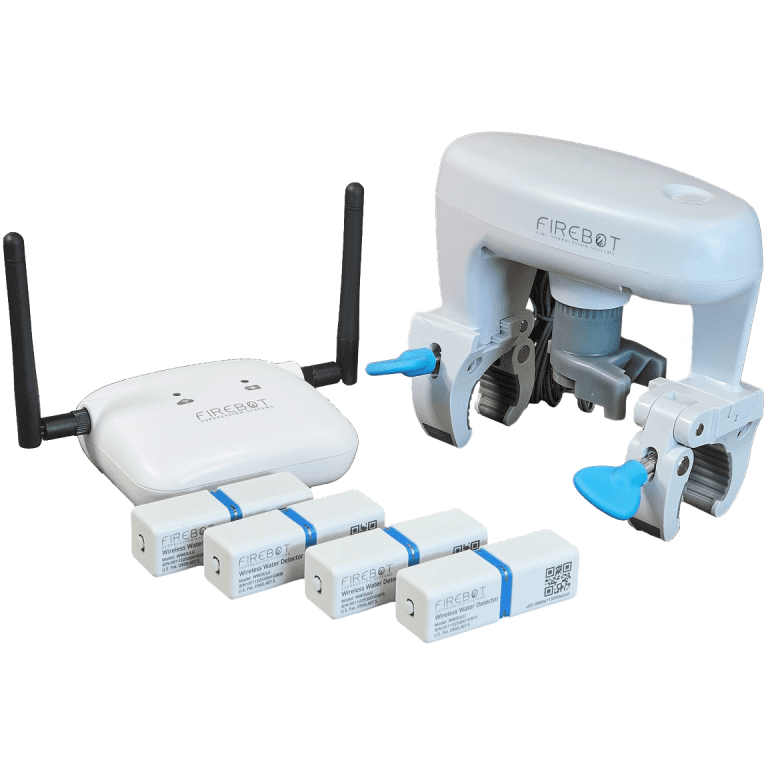
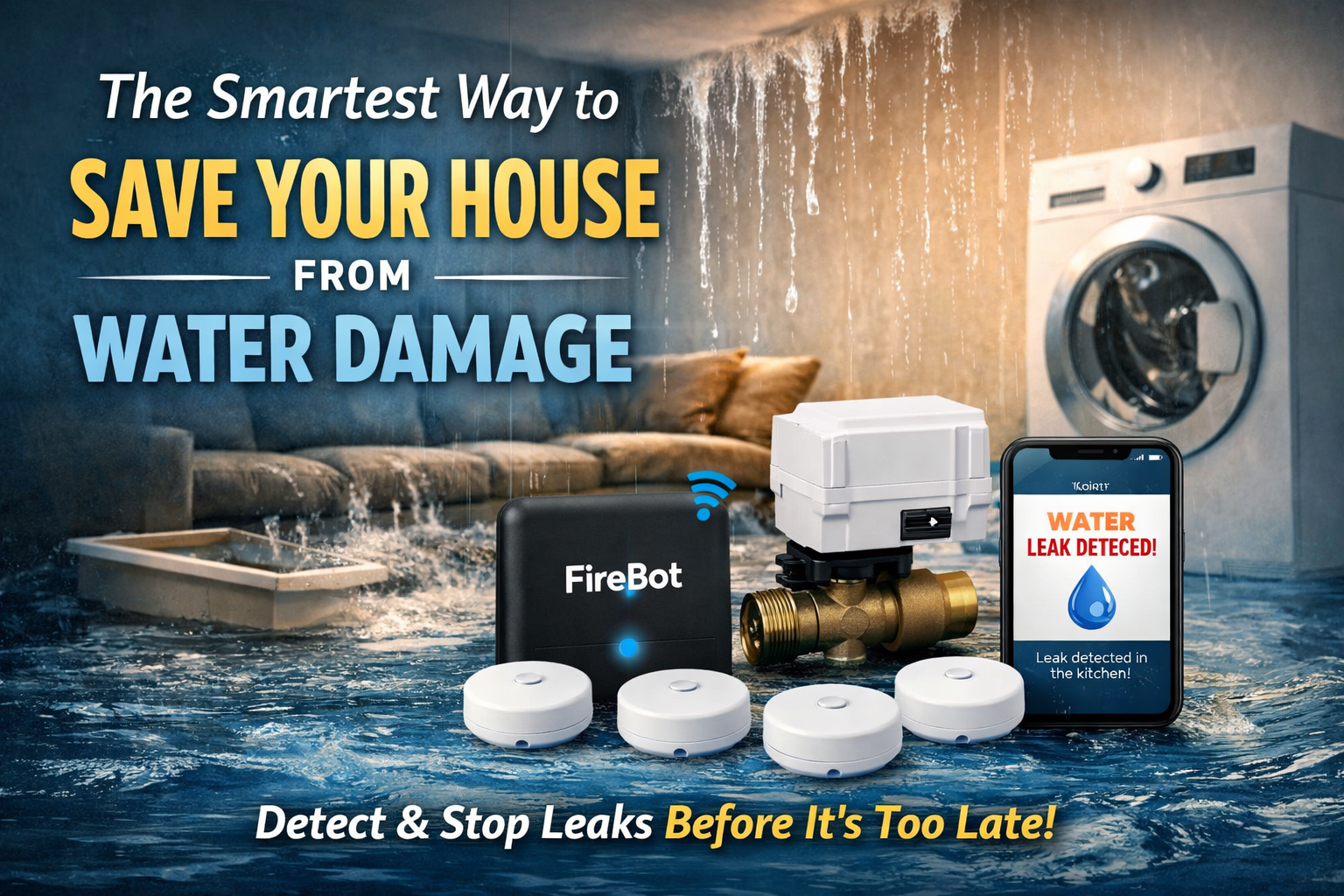
To take your water damage prevention efforts to the next level, consider using the Home Water Defense Pro Kit. This innovative system is designed to detect leaks early and stop water damage before it starts. It includes a smart gateway, automatic water valve shutoff, and four additional point-source leak detectors that can be placed in key areas like your AC drip pan, water heater, kitchen sink, or next to your washing machine. With battery backup and real-time phone app alerts, you’ll always know if a leak occurs, even when you’re away from home. Many insurance carriers also approve this kit, making it a trusted solution for protecting your property and giving you peace of mind.
Protect your home today – learn more about the Home Water Defense Pro Kit here.
One of the easiest ways to prevent water damage is through regular home inspections. Start by checking your roof for missing or damaged shingles and ensuring gutters are free from debris. Clogged gutters can cause water to pool and seep into your foundation, leading to significant problems.
Inside your home, inspect walls, ceilings, and floors for signs of leaks, such as stains or discoloration. Pay attention to areas near windows and doors, as they are common spots for water intrusion. Regular inspections help identify issues before they turn into major repairs.
Your plumbing system is a major contributor to water damage if not properly maintained. Check pipes, faucets, and connections regularly for leaks or corrosion. Small drips might seem insignificant, but over time, they can lead to major water damage.
Consider replacing old pipes with durable materials like PEX or copper. Installing water leak detection devices near sinks, washing machines, and water heaters can alert you to problems early, helping prevent costly damage. Regular maintenance is key to staying ahead of plumbing issues.
Waterproofing is an effective method to prevent water damage, especially in basements and foundations. Applying waterproof coatings or sealants can protect vulnerable areas from moisture seepage.
For areas prone to flooding, consider installing sump pumps and backflow valves. These solutions help redirect water away from your home, preventing structural damage and mold growth. Waterproofing is an upfront investment that can save you thousands in repairs down the line.
Many homeowners underestimate the risk posed by household appliances. Washing machines, dishwashers, and water heaters can all leak or burst unexpectedly, causing extensive damage.
To minimize risk, place appliances on elevated platforms or use drip pans underneath. Regularly inspect hoses and connections for wear and replace them every few years. Smart appliances with leak detection features are also available and can automatically shut off water flow to prevent flooding.
Excess moisture in your home can lead to hidden water damage and mold growth. Use dehumidifiers in areas prone to dampness, like basements and crawl spaces. Proper ventilation in bathrooms, kitchens, and laundry rooms also helps prevent moisture buildup.
Keeping humidity levels below 50% not only prevents mold but also protects wooden furniture and flooring. Proper airflow and moisture control are essential steps in any plan on how to prevent water damage effectively.
Your yard and drainage system play a vital role in preventing water from entering your home. Ensure the ground slopes away from your foundation to direct rainwater away. Avoid planting trees or shrubs too close to the house, as roots can damage pipes and create pathways for water intrusion.
Installing rain gardens, French drains, or other landscaping solutions can further manage water runoff and reduce the risk of basement flooding. Thoughtful landscaping is often overlooked but is a crucial part of preventing water damage.
Even with preventive measures, accidents happen. The key is to respond quickly to leaks, spills, or flooding. Wipe up water immediately, move valuable items to higher ground, and use fans or dehumidifiers to dry affected areas.
If you encounter significant water damage, contact professionals for cleanup and repair. Prompt action minimizes structural damage and prevents mold, keeping your home safe and dry.
Being prepared can make a huge difference in preventing extensive water damage. Keep emergency numbers for plumbers, water damage restoration companies, and your insurance provider handy. Consider installing water shut-off valves for easy access during emergencies.
Insurance coverage specifically for water damage can provide financial protection and peace of mind. Knowing what steps to take when disaster strikes is just as important as taking preventive measures.
Preventing water damage requires a combination of regular maintenance, smart planning, and quick action. From inspecting your home and maintaining plumbing to controlling humidity and waterproofing vulnerable areas, each step helps safeguard your property. By taking these proactive measures, you can significantly reduce the risk of costly repairs and long-term damage.
Remember, the best way to protect your home is to stay vigilant and act early. Following this guide on how to prevent water damage will give you the confidence that your home remains safe, dry, and comfortable for years to come.