A kitchen fire broke out at the Lory of Harbison apartment complex in Harbison, South Carolina in June 2026, displacing eight residents across multiple adjoining units after smoke and thermal damage made their homes temporarily uninhabitable.
Fire officials confirmed the fire started on a stovetop and was triggered by unattended cooking, one of the most common causes of residential kitchen fires in the country. The blaze moved quickly enough that damage extended beyond the unit of origin, affecting neighboring apartments and forcing several families out while the building was assessed.
In what became one of the more memorable moments of the response, crews managed to rescue a resident’s cat and dog from the smoke-filled building before the animals could be harmed. Both pets made it out safely.
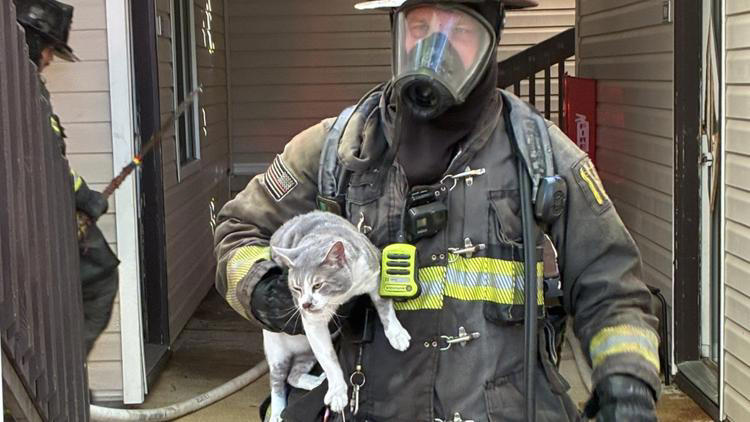
No injuries to residents were reported, though the displacement itself carries its own disruption. Scrambling to find somewhere to stay, dealing with smoke-damaged belongings, and waiting on word about when it’s safe to return. For the eight people affected, a single unattended burner turned an ordinary day into a week of uncertainty.
Kitchen fires like this one rarely make national headlines. They’re local news at best, a brief segment, a short article, and then it fades. But they happen constantly, in apartment complexes across the country, week after week. The stovetop is statistically the most dangerous spot in any home, and in a multi-unit building, one person stepping away from the stove at the wrong moment can pull multiple families into the fallout.
The Lory of Harbison fire is a routine example of something that is anything but rare.
If you’re interested in protecting your apartment complex from stovetop fires, find out how FireBot works at firebotssuppression.com.